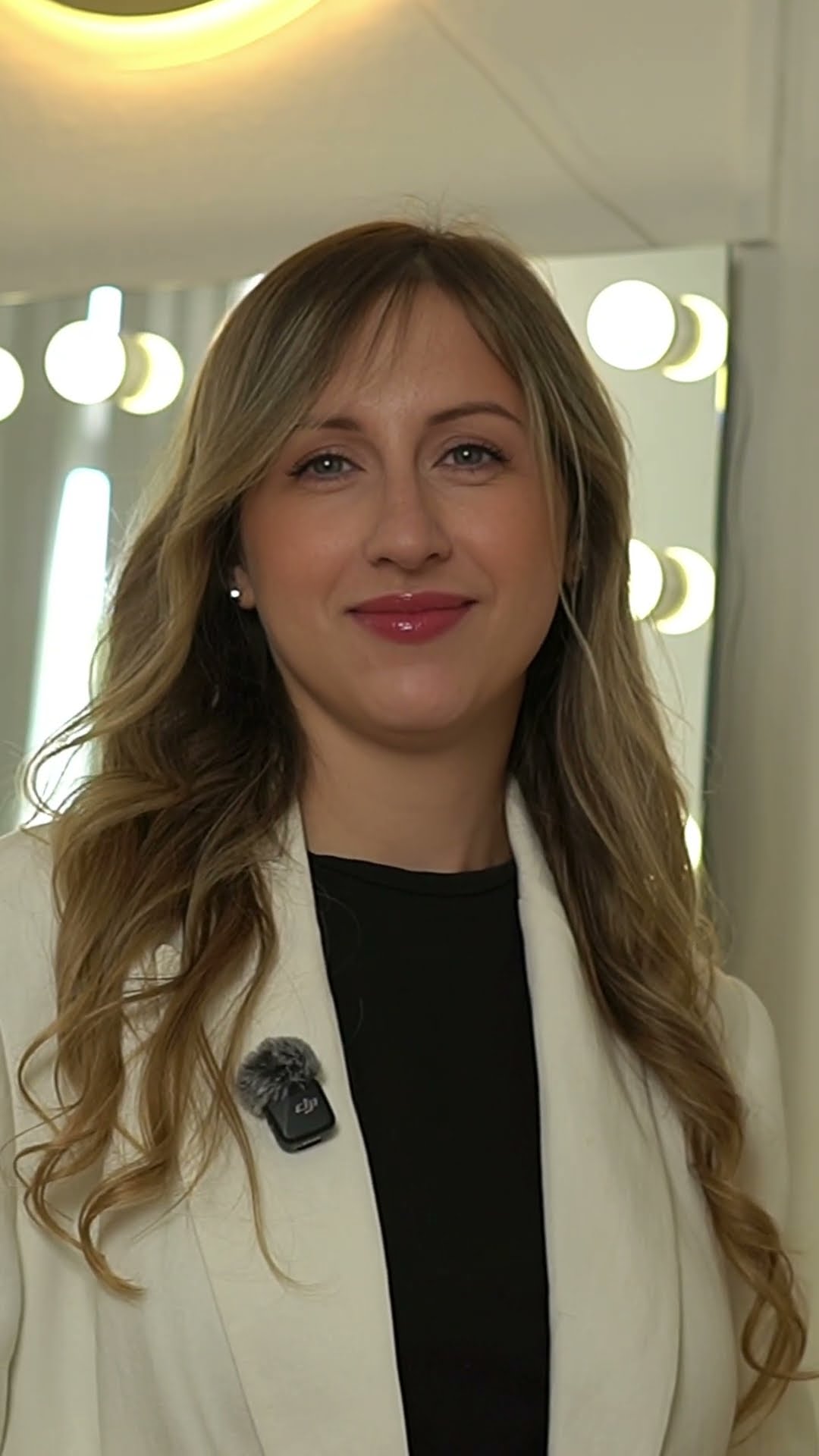
 By Vlada Vladykina, founder of MakeupSchool.NL and bridal makeup artist · Updated 17 November 2026 · 8 min readfounder MakeupSchool.NL · 17 Nov 2026 · 8 min read
One of the questions I get asked most: “Do I need an official diploma before I can become a makeup artist?” The short answer is no. The long answer is about what you do need to get clients. That’s what I explain here, with honest figures for 2026.
In short
In the Netherlands, makeup artist is not a protected profession: no diploma is legally required. You can choose from three routes: a 3-year MBO vocational programme, a private professional course of a few months, or short courses.1MBO vocational programme: 3 years2Private professional course: a few months3Short courses In the end, clients choose you for your portfolio, your reviews and the way you treat them.
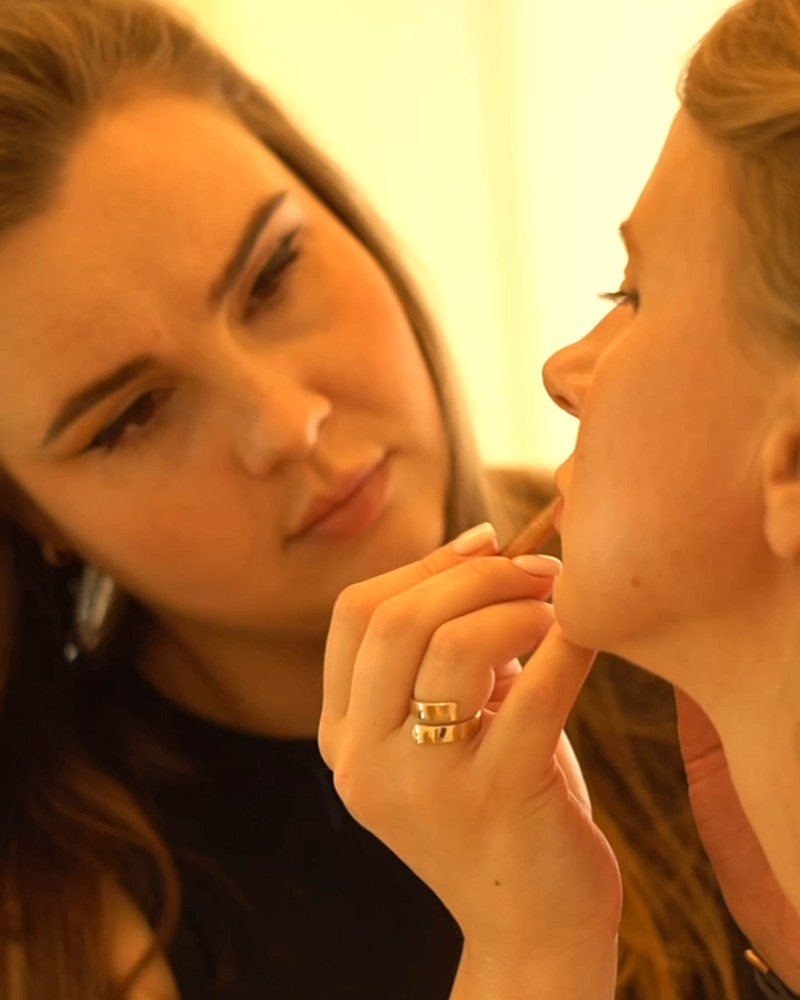
Do you need a diploma to become a makeup artist?
No. In the Netherlands you can work as a makeup artist without an official diploma. A bride, photographer or production company almost never asks for your papers, but they always ask to see your work.
What you do need if you work for yourself: registration with the KvK (Dutch Chamber of Commerce), good hygiene and a portfolio of real looks. A diploma or certificate mainly helps you: it shows you truly master the basics.
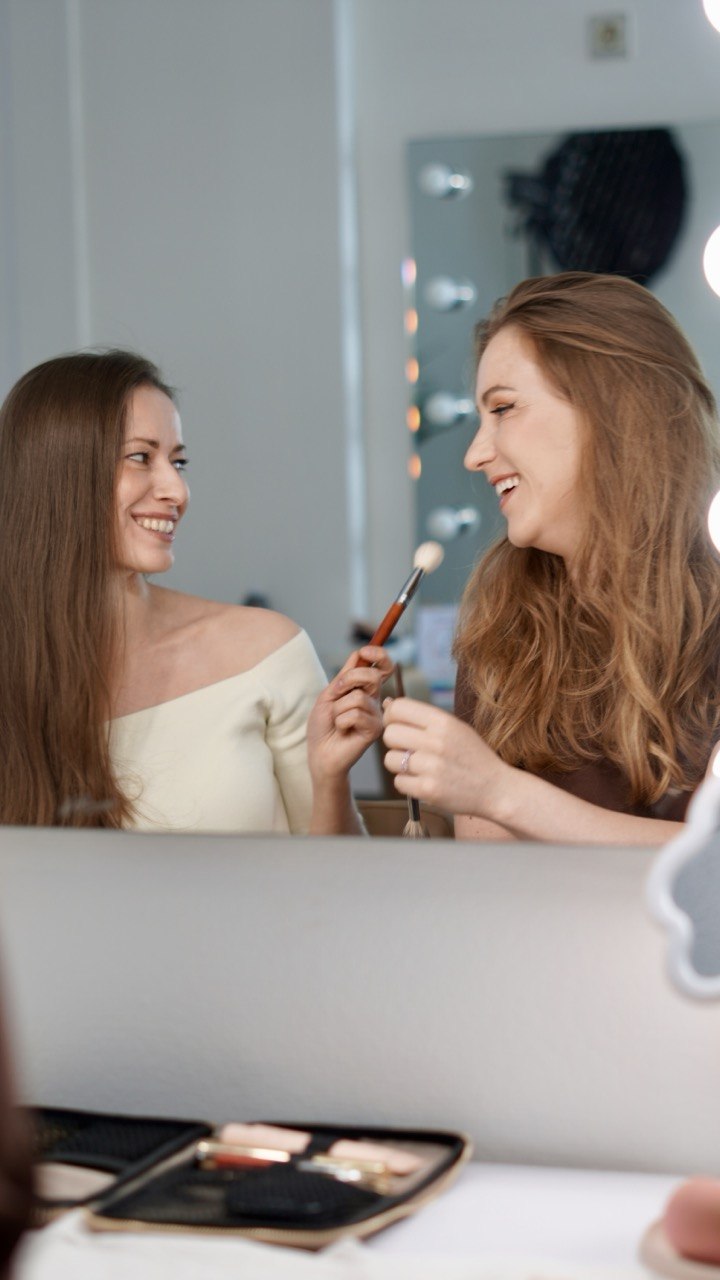

What counts is what you can do: practising on real faces, in a small group.
Vlada’s tip
Ask every school: how many lessons will I work on a real model? Not how many hours, but how many faces. You learn makeup with your hands, not from a book.
Which makeup artist training is right for you?
There are three routes. Which one suits you best depends on your age, your time and the kind of makeup artist you want to become.
MBO vocational programme
3 years · full-time
Broad: makeup, hair, theatrical makeup and special effects. Good if you’re young and want a recognised diploma.
Private professional course
2–9 months · alongside your job
Focused on the craft itself: practice on models, portfolio and clients. Good for career changers.
Short course or workshop
1 day – a few lessons
To find out whether you enjoy it, or to learn one new technique.
| Route | Duration | Cost (2026 estimate) | What you get | Best for |
|---|---|---|---|---|
| MBO (e.g. Allround Make-up & Hair Artist) | 3 years, full-time | Tuition approx. €1,511 per year (18+) + materials | Recognised MBO diploma, level 4 | School leavers and anyone with time for a full study programme |
| Private professional course | 2–9 months, 1–2 lessons a week | Approx. €1,200–€3,600 + possibly a makeup kit | School certificate + portfolio | Career changers, alongside work or study |
| Short course / workshop | 1 day to a few lessons | Approx. €100–€600 | Certificate of attendance | Exploring, or learning one technique |
Sources: published MBO tuition fees 2026–2027 and prices of makeup courses in Amsterdam, November 2026. Prices change; always check the current price with the school.

How long does it take before you get paid work?
Expect a few months after your training, not a few weeks. First you build a portfolio with different skin types, skin tones and looks. Then the first paying clients come, often through friends, Instagram and your first brides.
Your route from beginner to first client
- Choose your trainingLook for practice on models and small groups.
- Practise on real facesYoung, mature, light and dark skin, dry and oily skin.
- Build your portfolioProfessional photos of your best looks.
- Sort out the basicsKvK registration, Google Business Profile, Instagram.
- First clientsFriends, brides, photographers, assisting an experienced makeup artist.
Between lessons
How a student practises on herself
A little practice every day, even without a model: that’s how your hands get more confident between lessons.
What do you learn in a good makeup artist course?
A good course doesn’t teach you one look, but a way of working that suits every face. At the very least it should cover:
Technique
Craft & client

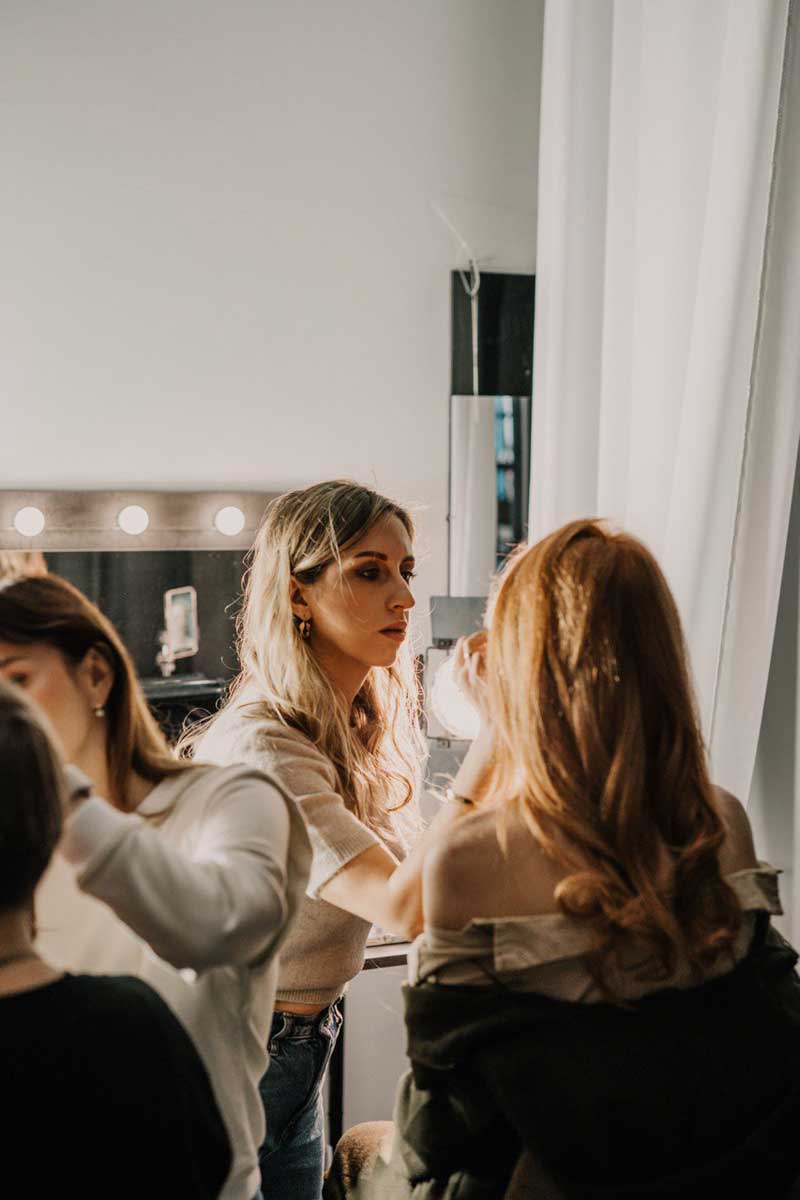
Inside the studio
What a practical lesson looks like
A student works on a model while I walk round and correct where needed. That way you learn from your own mistakes in every lesson.
What does it cost in total to become a makeup artist?
Training isn’t the only cost. Here’s a realistic overview for getting started:
| Cost item | What to look out for |
|---|---|
| Training | Ask what’s included: makeup and brushes during lessons, models, a photoshoot. |
| Your own makeup kit | Start small and add what you actually use. As a professional you often get discounts from brands. |
| Portfolio | Good photos are your business card. Some courses include a photoshoot. |
| Starting your business | KvK registration, a simple website or Instagram, and possibly insurance. |
Vlada’s tip
Don’t buy the most expensive case straight away. Many beginners buy a big set and only use part of it. Better a small kit of good quality that you add to step by step.

How do you find your first clients as a makeup artist?
Most new makeup artists get their first clients through their own network and Instagram. What works well:
Getting found online
- Instagram as your portfolioShow before and after, and briefly explain what you did.
- Google Business ProfileAsk every happy client for a review.
- Booking platformsSuch as Treatwell, so clients can find you easily.
Through people
- Working with photographersA joint shoot gives you both new photos.
- AssistingHelp an experienced makeup artist at big weddings: you learn fast and build contacts.

How does the Professional Makeup Artist course work at our school?
At MakeupSchool.NL in Amsterdam you learn the craft in 12 full lessons: 10 practical lessons and 2 theory lessons in the studio, plus online theory for every lesson on our student portal. You work in a group of 2–3 people, so the teacher sees every brush you hold.
Included
- Makeup and brushes are included during lessons
- A portfolio photoshoot is part of the course
- You finish with a test and an official Makeup School NL Certificate
Good to know
- As a student you order cosmetics through the school at professional discounts
- Lessons in English, Ukrainian or Russian


Still not sure which route suits you?
Send me a message. I’ll tell you honestly whether our course is right for you, even if the answer is “not yet”.

Frequently asked questions
Before you start
Can I become a makeup artist with no experience?
Yes. Most students start from zero. Patience, a good eye for detail and a willingness to practise a lot matter more than experience.
What makeup do I need to get started?
During our lessons you use the school’s makeup and brushes. You build your own kit step by step, once you know what you really use.
What kind of makeup artist can I become?
Many makeup artists specialise: bridal makeup, photoshoots and fashion, events, or film and TV. Start broad and find out what you enjoy most.
Training & certificate
Is a certificate from a private school recognised?
A certificate from a private school is not a state diploma. You don’t need one to work as a self-employed makeup artist: clients look at your portfolio and reviews. If you want a salaried job with an employer that asks for a vocational diploma, choose the MBO route.
Can I do the course alongside my job?
With most private courses, yes. With us you have 1–2 lessons a week and we agree the start date together.
Do I need to bring my own models?
Ideally, yes: bring a friend or family member as your model. No one to bring? We’ll help you find a model.
About the author
Vlada Vladykina
founder MakeupSchool.NL
Makeup artist and hairstylist in Amsterdam, 7 years of bridal makeup experience.
Vlada Vladykina is the founder of MakeupSchool.NL. She is a makeup artist and hairstylist in Amsterdam with 7 years of experience, mainly in bridal makeup, and together with her team she trains makeup artists in small groups. View her portfolio ›